
B2B Loyalty Step 4: How Reward Design Shapes Channel Partner Behavior
Step 4 of the B2B Channel Loyalty Blueprint shows how reward value, choice, and timing encourage the next partner action.

The spring promotion is over, and a counter rep has hit her goal. Her points arrive two months later, long after the moment has passed. A contractor with years of accumulated points opens a catalog, finds nothing he wants, and closes it.
Both earned points. Neither reward experience makes the next goal feel worth the effort.
Reward value, type, and payout timing determine what happens next. A relevant reward delivered soon after qualifying makes a difference and gives people a reason to repeat the action or take the next step. next step.
The Three Choices Behind Channel Partner Rewards
Every channel loyalty program must answer three questions: How much is the reward worth? What can partners choose? When will they receive it? To answer these questions for your program, first identify the behavior you want to encourage next. That might be another qualifying sale, a completed training, a product trial, or purchases across more categories. Then align the reward value, catalog options, and payout timing with that action. Together, these choices show partners which behaviors are worth repeating.
For the contractor in the above example, the problem is fit. A large catalog adds little value if none of the options appeal to him. If contractors tend to plan vacations during slow months, offer travel they can book ahead. Relevant choice is just as important as the mix of rewards a program offers.

Balance Instant and Aspirational Rewards
Partners do not all want the same reward or work toward goals on the same timeline.
Gift cards and merchandise deliver quick value, while travel and events provide a larger goal. A distributor loyalty program should offer both. Use partner groups to match rewards to each segment and behavior. Accessible rewards work well for frequent actions. Aspirational rewards can sustain progress toward larger milestones. A focused mix can serve both needs without creating a separate catalog for every audience.
Match Payout Timing to the Length of the Effort
Pay short promotions quickly so partners can connect the reward to the work. Save travel and higher-value merchandise for longer goals, such as annual sales targets. A delayed payout weakens the link to a short-term action; a small reward can undersell a year-long effort. Tell partners what goal they’ve achieved, when points will post, and what they can do next.

Use Redemption Data to Spot Catalog Gaps
Program reports show whether rewards are influencing behavior or simply accumulating.
There are two patterns to watch for.
First, rising unredeemed balances or falling redemption rates may mean partners cannot find appealing rewards or must wait too long to reach one. Second, a small group of popular rewards shows what each segment values. Compare those redemptions with subsequent purchases, training completions, and tier progress. If the desired action increases after redemption, the reward may be reinforcing it. Analyze results by segment; program-wide averages can hide important differences. Keep in mind that growing balances do not always signal a catalog gap: partners may be intentionally saving points for higher-value rewards or holiday purchases.
Ask partners what they want, then combine marketplace data with program activity. Redemption patterns show what partners value, while sales, training, product trials, and other qualifying actions show what they do. Compare both with the monthly activity numbers from Step 3 for a broader view of program performance and whether rewards are reinforcing the intended behaviors. Often, a targeted change, such as adding options at a popular point level or adjusting promotion timing, can solve the problem without a full redesign.
Key Takeaway
A fast payout helps participants connect their rewards to the goal(s) achieved. Relevant reward options gives participants a reason to redeem and a goal to pursue. Neither change requires a larger budget. Both require a clear link among the desired behavior, a reward the participant values, and timely delivery. For a second opinion on your reward strategy, contact us.
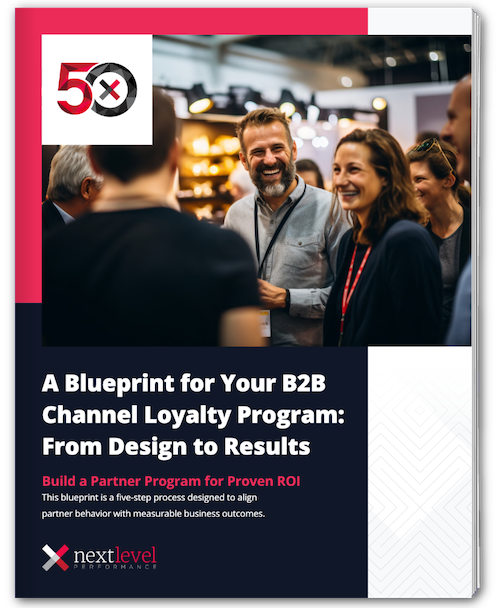
This is Step 4 of our Complete B2B Channel Loyalty Blueprint. Download the full Blueprint to explore steps for designing an effective channel partner program. Learn more →
Frequently Asked Questions
About Channel Loyalty Rewards
What rewards do channel partners value most?
The best rewards fit partners’ preferences and goals. Some want gift cards or merchandise they can use now; others save for travel or higher-value items. Segment partners by preference so each group has a meaningful reason to earn.
How fast should a channel loyalty program pay out rewards?
Match payout timing to the effort. Post rewards for short promotions within days of completion. Reserve larger rewards, such as incentive travel, for longer-term goals.
What does a growing unredeemed points balance mean?
It can mean one of two things. Partners may be intentionally saving points for holiday purchases or higher-value rewards, or they may be struggling to find an appealing, attainable reward. Don’t rely on point accumulation alone to determine whether the marketplace is effective. Review redemption timing, point expirations, continued participation, and partner feedback to distinguish purposeful saving from a potential program gap.



Let’s Talk
Ready to take the next step?
Contact us today to connect with one of our experts.