
The Front of the Plane Just Got a Lot More Crowded: Why Business Class Airline Tickets Are Harder to Book
For decades, the first few rows of an aircraft were reserved almost exclusively for corporate road warriors and top tier sales incentive programs. That's no longer true. A recent episode of The McKinsey Podcast, featuring Steve Saxon, coleader of McKinsey's Travel, Logistics & Infrastructure Practice, describes how affluent leisure travelers are now filling the seats once dominated by business travelers, forcing airlines to rethink pricing, product design, and cabin layout. For those of us running incentive travel programs, this isn't a future trend to watch, it's a booking problem we're already managing today.
Business class is a core piece of the incentive promise.
And that's exactly the problem.
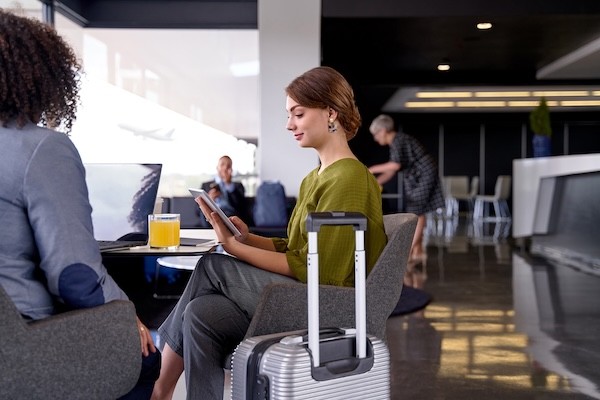
Many of our clients' programs reward top performers with a business class seat to the event. It's one of the most memorable line items on the trip - the moment a winner feels the company truly invested in them - and is written into the business rules. But that promise is getting significantly harder to deliver.
Premium cabins have always been the tightest inventory on any aircraft, and demand is now coming from two directions: airlines are courting affluent leisure travelers who book well ahead of travel dates, while incentive program winners are typically only confirmed and registered in the final weeks before travel. That timing mismatch is brutal. By the time a winner is announced and registers, much of the best premium inventory is already gone – and it’s limited to begin with. Once that class of service is sold out, it’s sold out.
Demand for premium is outpacing supply.
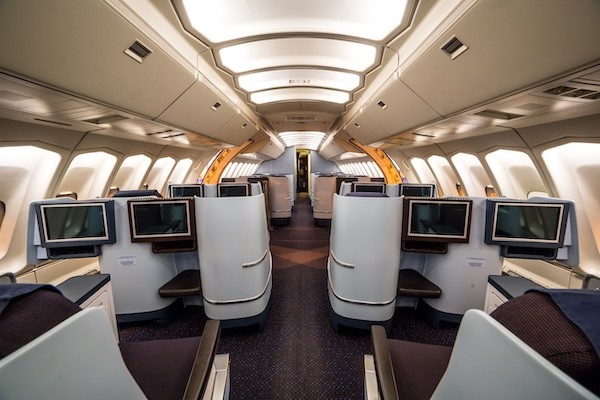
That expansion may sound like relief, but premium cabins still represent only a small fraction of any aircraft. Added capacity is being absorbed almost as fast as it's added. Since many luxury incentive travel destinations already have a limited number of flights daily, there are often just not enough premium seats to go around.
Fuel costs are making it worse, and pricier.
Jet fuel prices have climbed sharply, with American absorbing more than $4 billion in additional fuel expense this year and Delta expecting over $2 billion through midyear. Airlines are offsetting that cost by leaning harder on premium fares, since a premium seat generates far more revenue per square foot than an economy seat. The result: business class bookings closer to the date of travel, exactly the pattern of a typical incentive program, are landing in the highest, most volatile price tier available.
What this means for late-registering winners.
When registrations trickle in during the final stretch before travel, we're now seeing business class fares spike dramatically compared to booking even a few weeks earlier, and in some markets, seats simply aren't available at any price. This is no longer a "nice to plan ahead" situation; it's becoming the deciding factor in whether a program can honor its business class promise at all.

Our recommendation.
Lock in seats for senior leaders and top performers well in advance to be sure they are confirmed in time. Build registration deadlines that give your travel team real runway, not just administrative buffer. And budget for fare volatility as a real contingency line, not an afterthought.
Airlines are rewriting the economics of the front of the plane. With tighter registration timelines and the right air management partner tracking inventory daily, we can reduce the turbulence that comes at the winner's expense.
Have questions about an upcoming incentive or business program? We're happy to talk through your questions and offer up best practices.

Let’s Talk
Ready to take the next step?
Contact us today to connect with one of our experts.